Get Better Room-to-Room Flow With Flooring Transition Ideas
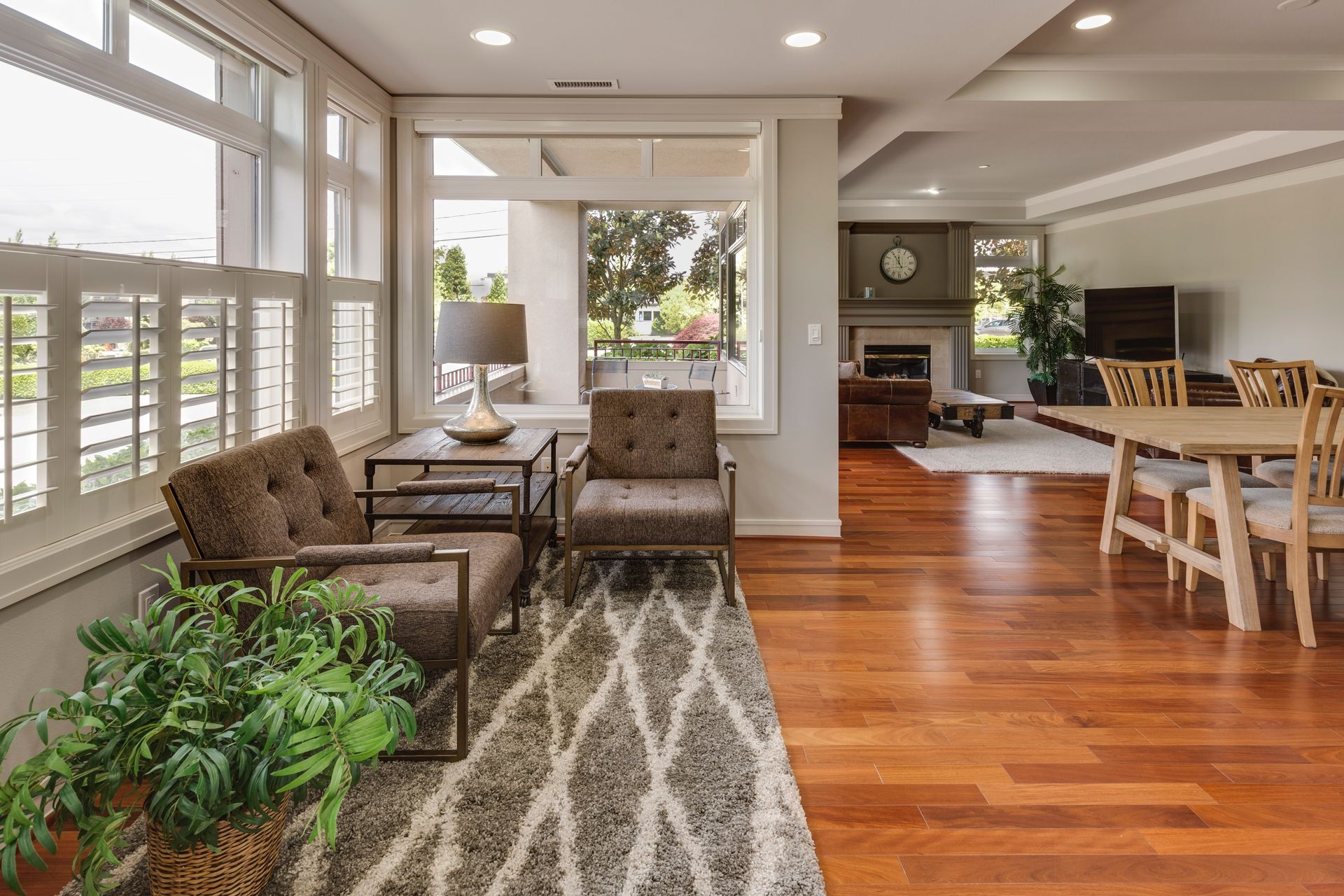
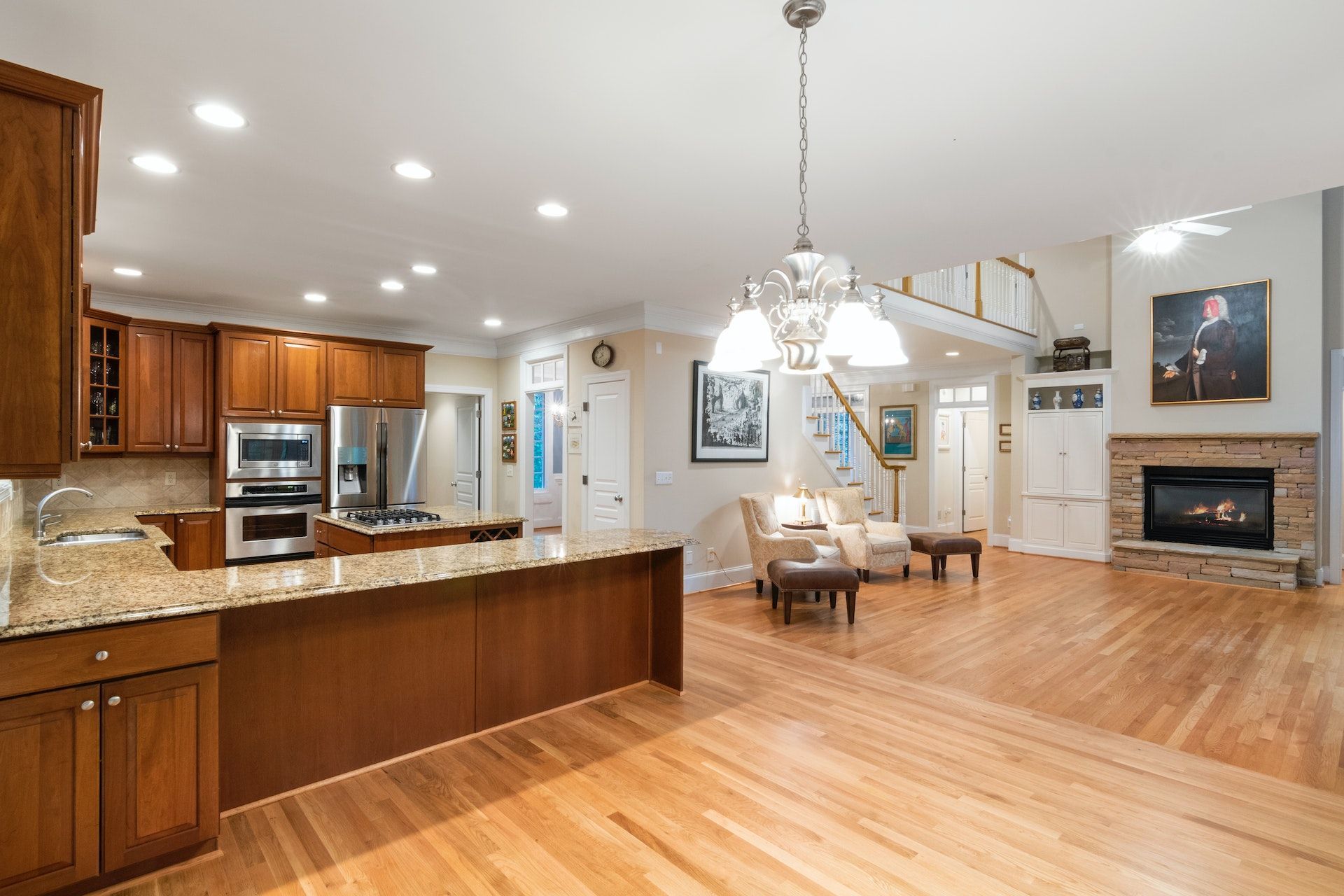
You’ve almost certainly been in a home with multiple types of flooring: carpet in the bedrooms and tile in the bathroom, or LVP in the main living areas with laminate in the kitchen, and so on. But unless you’ve ever questioned your flooring choice and began replacing floors in more than one room in your home, it’s not as likely that you’ll have run into one of the biggest questions most homeowners don’t think about until they’re mid-project: how do you connect different flooring types without it looking like a patchwork?
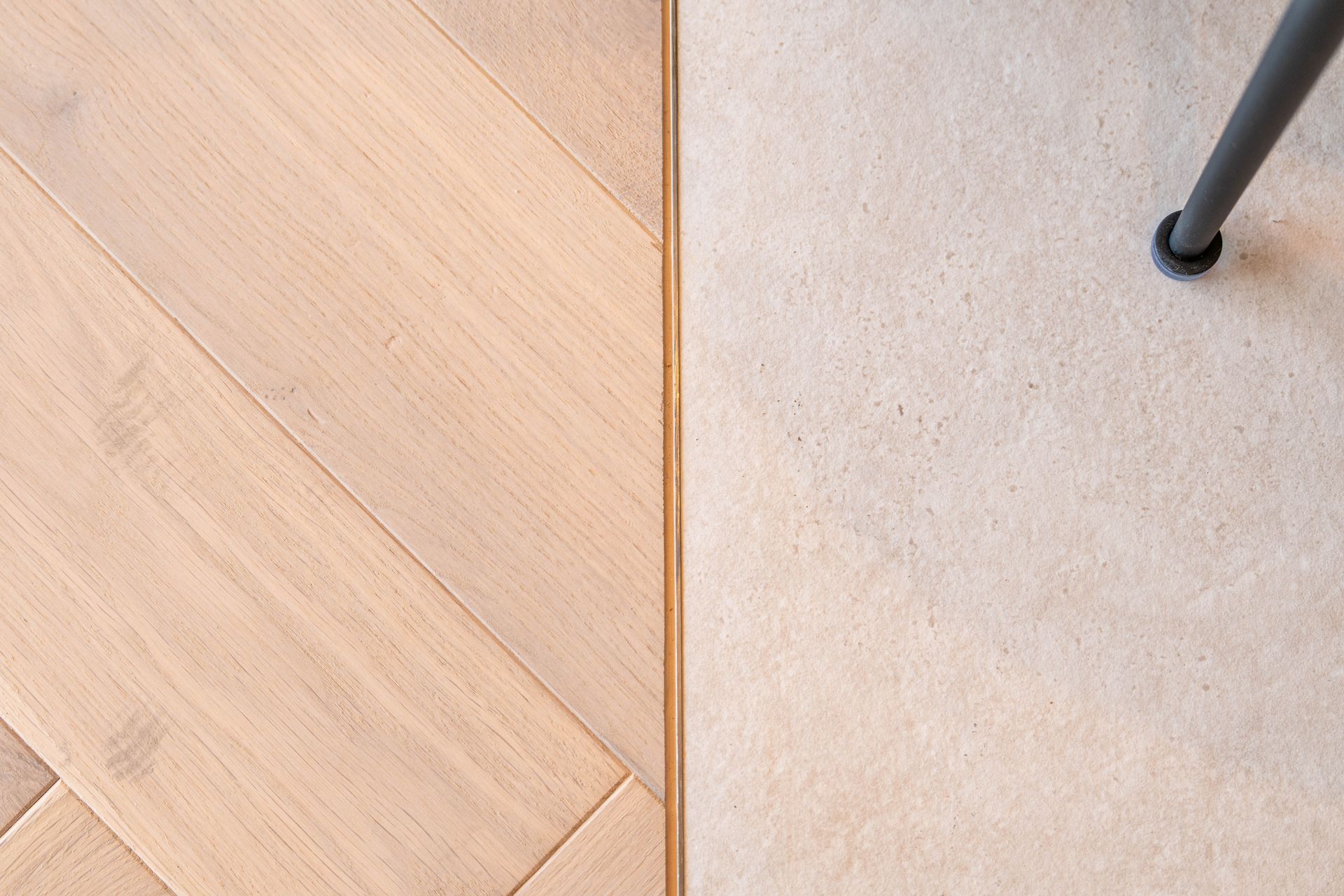
Appropriate flooring transitions are the answer. Transitions are those little details that work without being seen, creating intentional connections between different materials rather than awkward, unfinished meeting points.
At Get Floored in Myrtle Beach, we walk homeowners through transitioning floors. If you’re moving from tile to luxury vinyl, hardwood to laminate, carpet to anything else—whatever combination your home needs—we’re here to help.
Why Flooring Transitions Matter
Different flooring materials expand and contract at different rates. Tile stays stable, but LVP shifts with temperature and humidity. Laminate needs expansion gaps to prevent buckling, but carpet compresses. When these materials meet, you can't just butt them together and hope for the best. Besides, without finished edges, your flooring looks messy and can have that “patchwork effect” that makes them look cobbled together—not seamless and intuitive. That is where flooring experts can help.
Flooring transitions give each material the space it needs to move without pushing against the next floor. They also create clean visual breaks between rooms and prevent trip hazards where floor heights don't match.
T-Molding for Same-Height Transitions
When both flooring types are similar in height, T-molding creates an even transition. The T-shaped profile spans both floors, filling the gap between them while allowing each material to expand independently.
This flooring transition works in doorways, at room edges, and anywhere two hard surfaces meet at equal heights. We carry T-molding in wood, metal, and vinyl to match or complement your flooring choices.
Reducer Strips for Height Changes
When floor heights don't match, reducer strips create a gentle slope from the higher surface to the lower one. This prevents any edges from becoming tripping hazards. They’re ideal for transitioning floors from thick tile down to thinner materials, or from hardwood down to lower-set carpet. The gradual slope handles the height difference smoothly, avoiding a jarring drop-off that can create a trip hazard or awkward stepping point.
Carpet Transitions That Don't Look Cheap
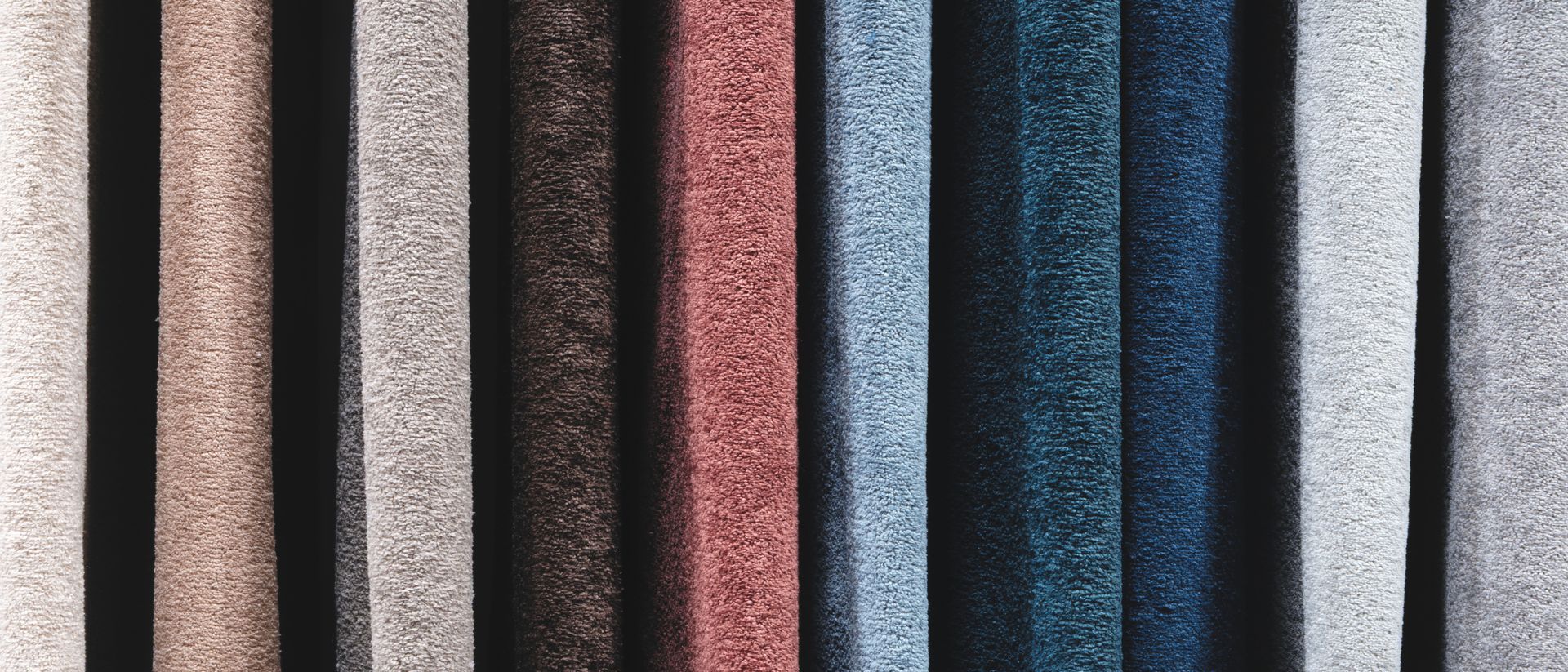
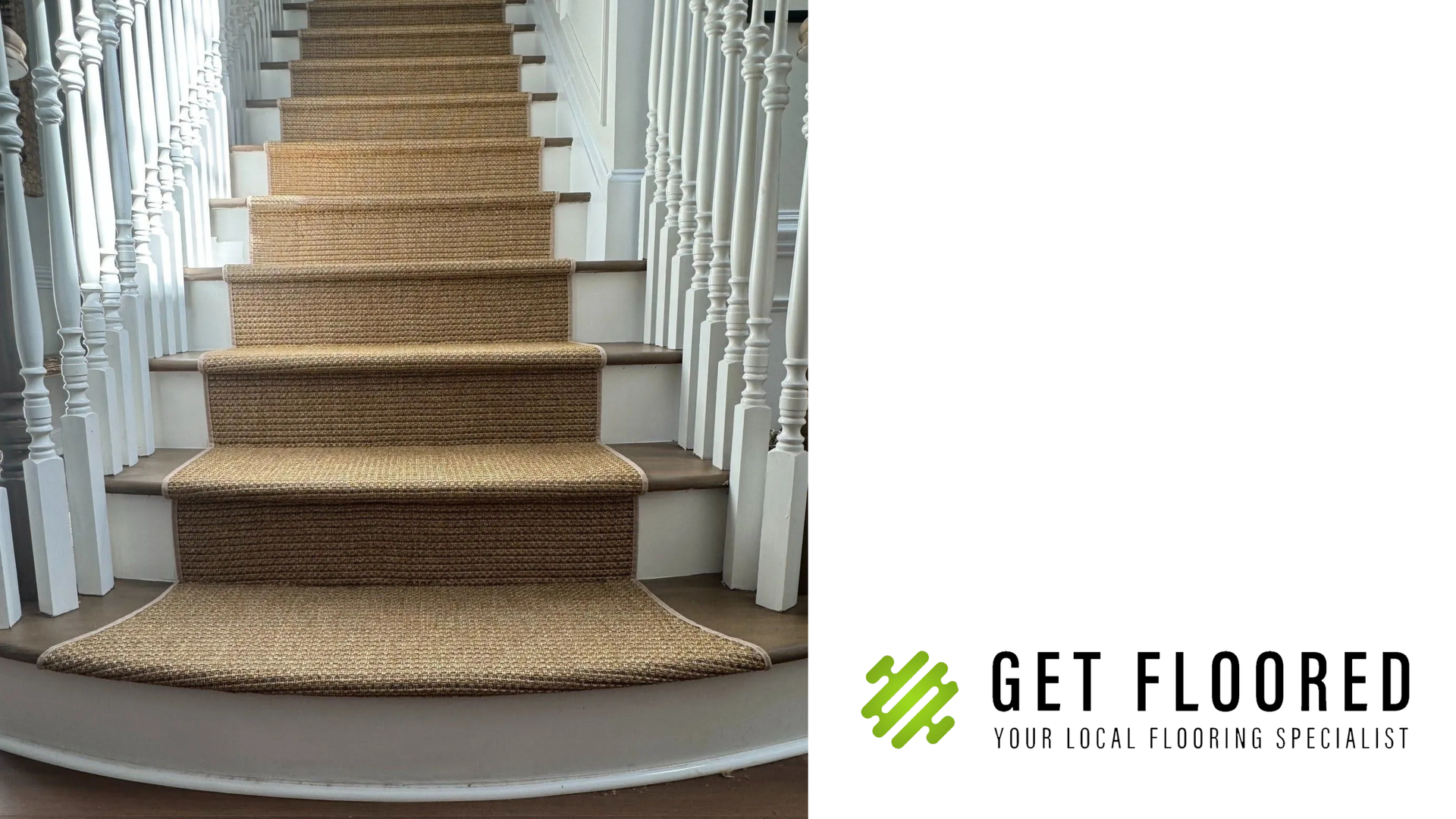
Transitioning from carpet to hard surfaces used to mean using sharp metal strips that screamed “budget install”, but modern options look much cleaner. Square nose molding provides a finished edge where carpet meets other flooring types, like tile, vinyl, or wood. The carpet tucks against the molding for a secure, professional appearance.
Z-bar (also called carpet trim) holds carpet edges firmly without the bulky look of older metal strips. These flooring transition ideas keep carpet from fraying while creating clean lines at room edges.
Planning Transitions Before Installation
The best flooring transitions are mapped out before starting installation, not after the fact. When you call Get Floored, we listen to your project details and ask lifestyle questions (like if you have pets, lots of family, or a quieter household) to help you find the best materials for your home.
Our measurement tech will visit your home with samples, including transition pieces, so you can see how everything looks together in your space. We provide estimates within 24 hours for flooring projects (three days for bathroom and shower work), which means you're not waiting weeks to know what your project costs.
Professional Installation Makes the Difference
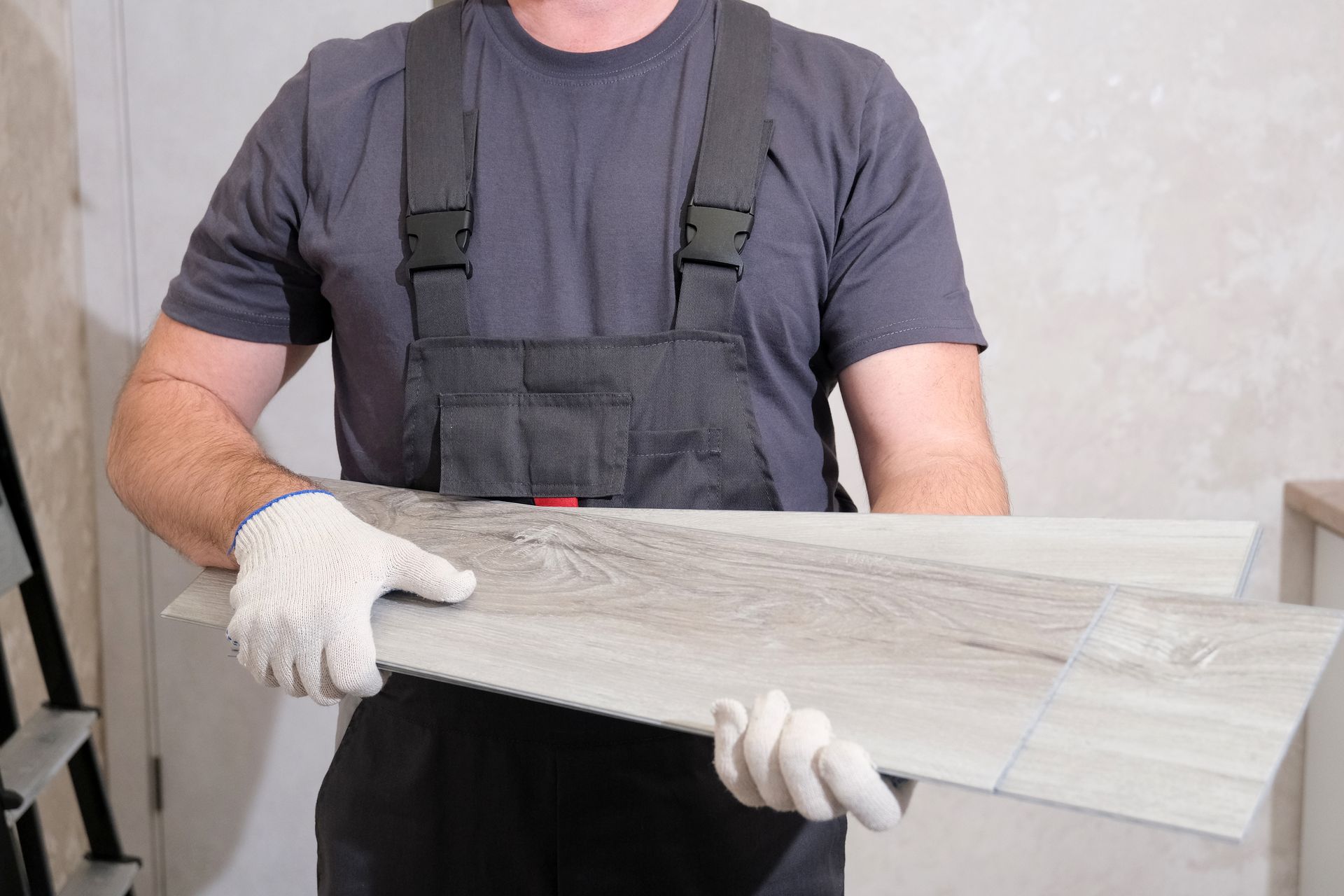
DIY transitioning floors often show up as uneven strips, gaps that collect debris, or transitions that create trip hazards. Professional installation ensures everything sits flush, stays secure, and creates smooth connections between rooms.
Get Floored serves Myrtle Beach, Surfside, Garden City, Pawleys Island, Socastee, North Myrtle Beach, and Murrells Inlet. Call (843) 666-5986 or visit our showroom at 4100 Holmestown Rd. to discuss flooring transitions for your home.