Pro Tips for Choosing Different Types of Carpet
Choosing carpet can feel overwhelming when you're staring at hundreds of samples. How to choose the right carpet color matters, sure, but so does choosing the right fiber type, padding, twist level, and knowing whether your golden retriever will destroy it in six months. At Get Floored, we walk customers through these decisions every day, and we've learned that the best carpet choice depends entirely on how you actually live in your home.
If you are just starting your search, our carpet page is a good place to explore options before you visit the showroom.
Where the Carpet Goes Matters
The first question is simple: where is the carpet going? A guest bedroom and a busy staircase do not need the same kind of carpet.
You may be able to prioritize softness and appearance for lower-traffic rooms, like guest bedrooms, formal sitting rooms, and offices.
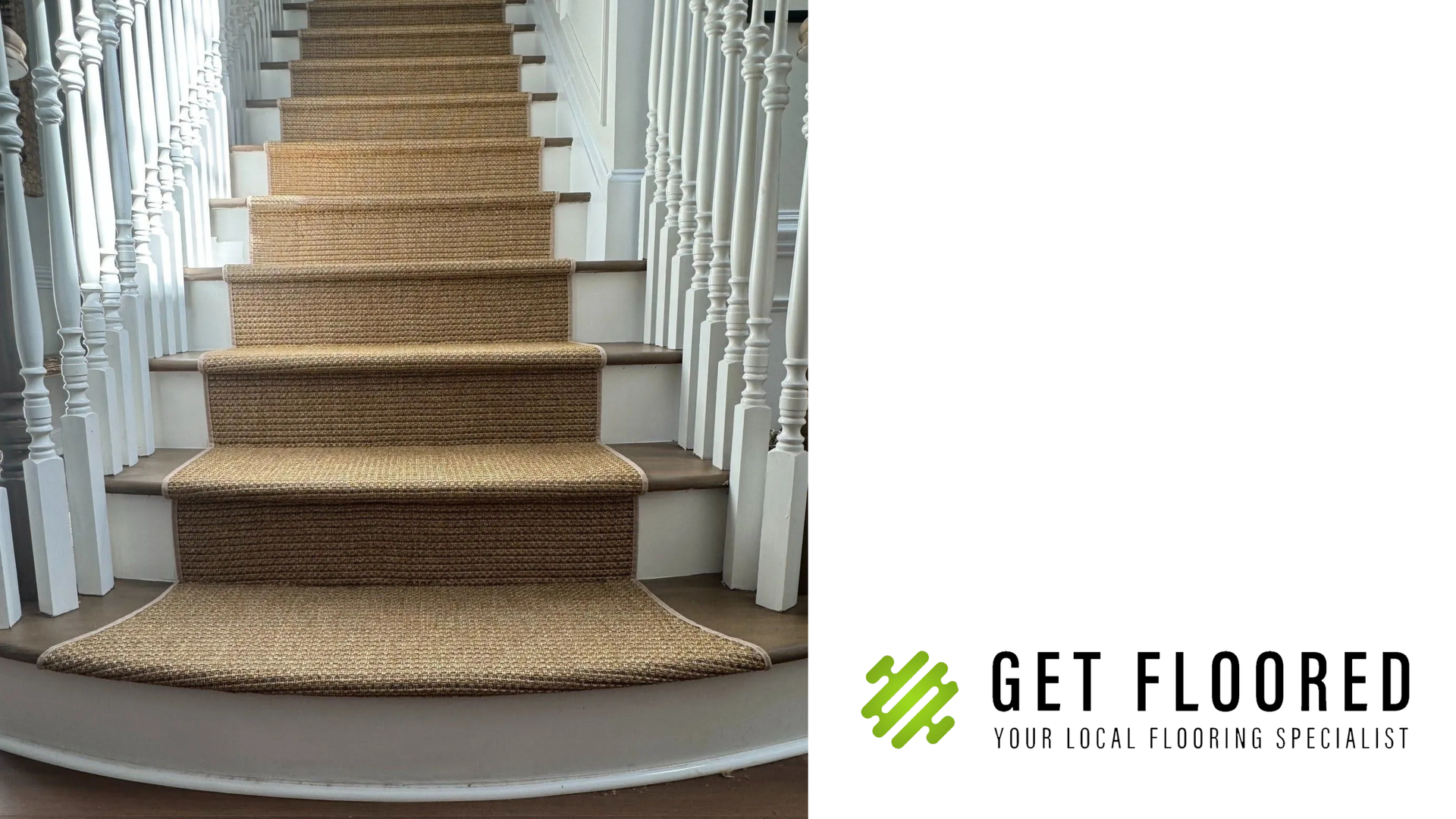
For higher-traffic areas, like hallways, stairs, family rooms, and kids’ bedrooms, you will usually want more durability, better stain resistance, and a style that hides wear a little better.
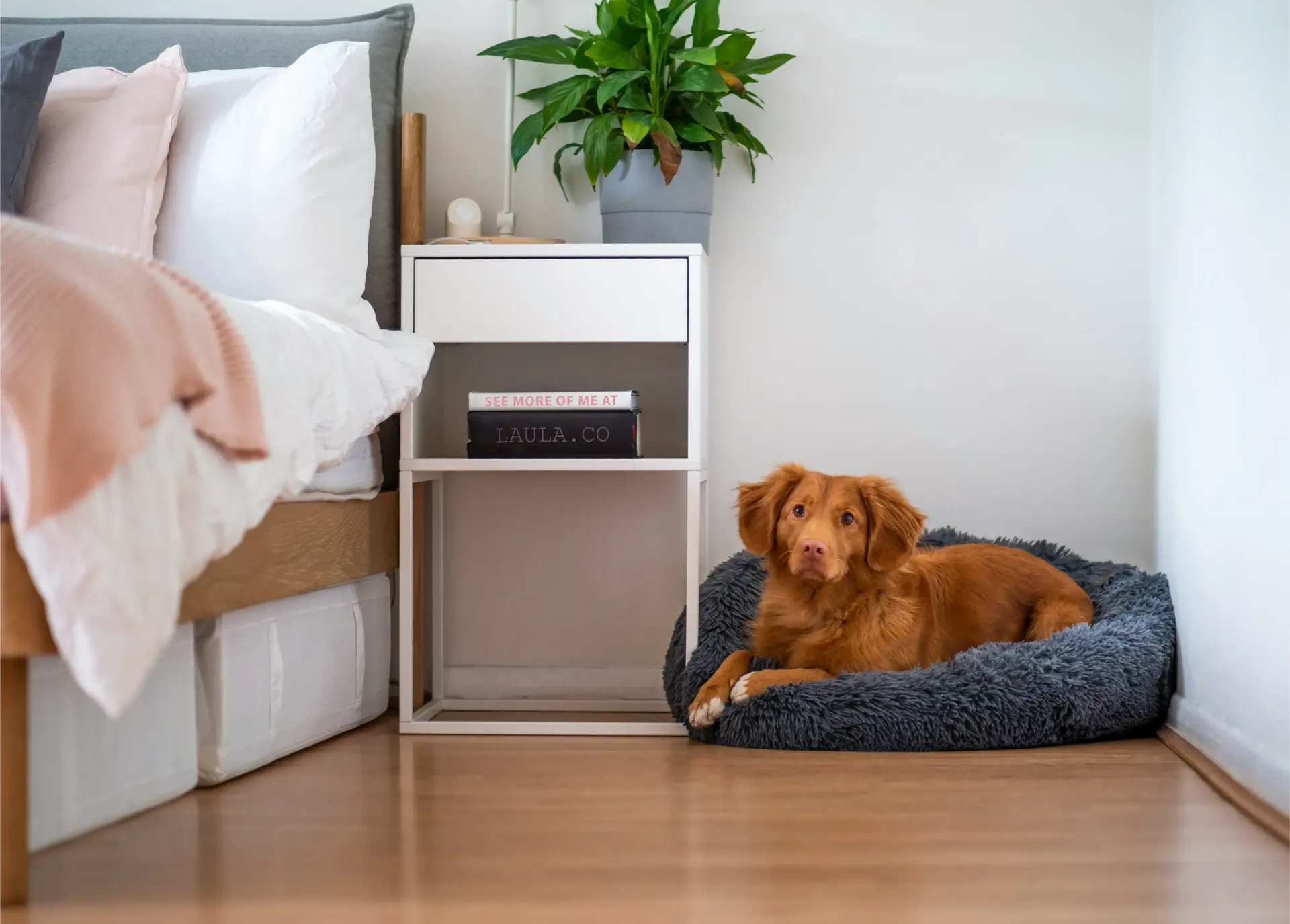
If you are carpeting multiple rooms at once, the goal is often balance. You want something that still feels good underfoot in a bedroom but can also hold up in the more active parts of the house. Stain-resistant treatments matter when juice boxes spill and muddy paws track through the house. Modern stain protection has improved dramatically, with today's treated carpets resisting set-in stains far better than older versions.
Understand Pile Height and Face Weight
Two carpet terms that confuse a lot of shoppers are pile height and face weight. Pile height refers to the size of each carpet fiber. A lower pile carpet tends to look cleaner longer in high-traffic spaces and are usually easier to maintain. Higher pile carpets often feel softer and plusher, which many homeowners like in bedrooms.
Face weight refers to how much fiber is packed into the carpet, usually measured in ounces per square yard. In plain English, higher face weight often means a fuller, denser carpet. That can be a good sign for comfort and durability, but it should not be judged by itself. Fiber type, construction, and twist level all matter too.
What Do Different Carpet Types Mean?
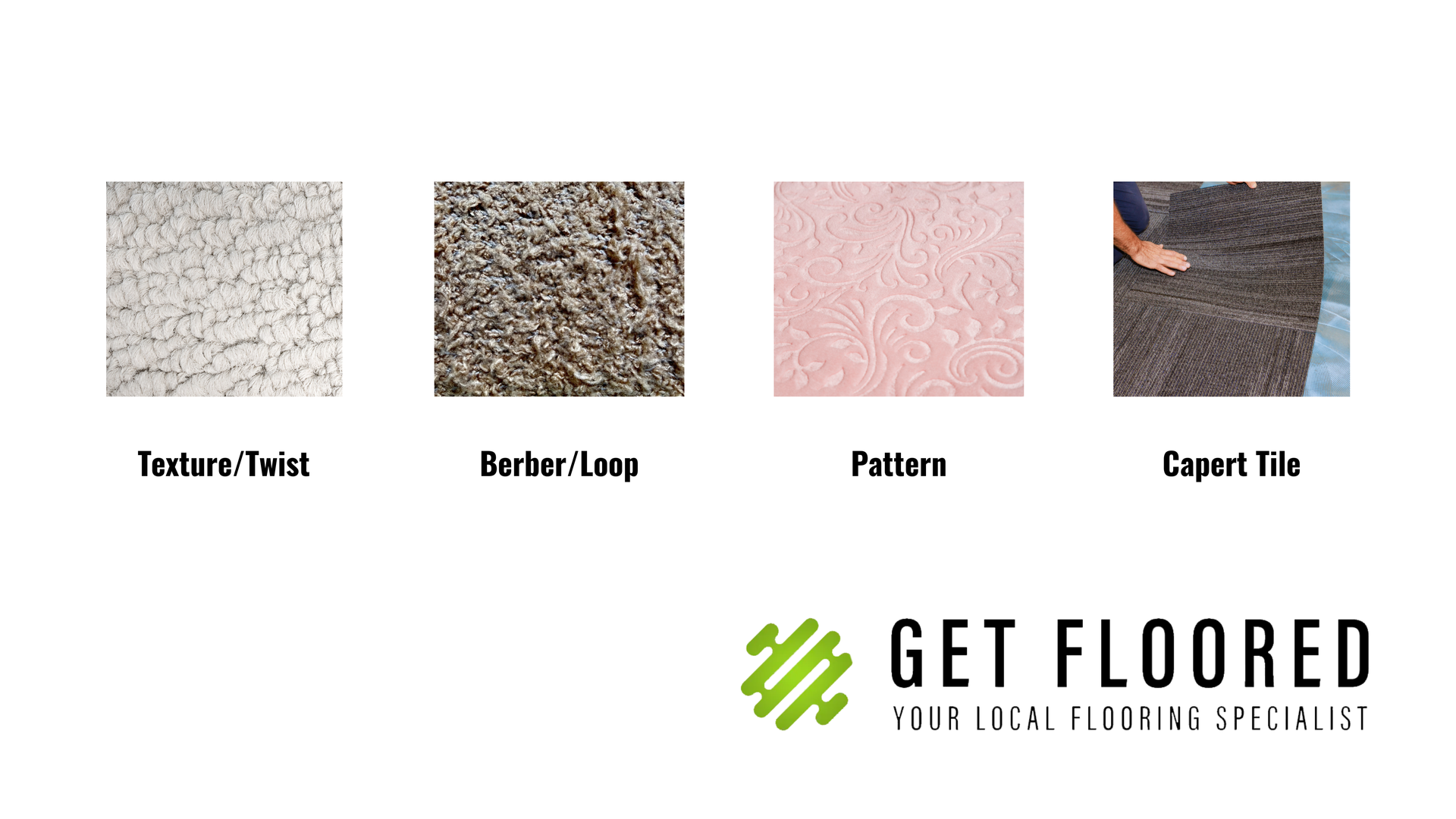
If you’re shopping for new carpet, you’ll often see different language like texture or twist carpet, Berber or loop carpeting, or pattern carpet. You’ll see rugs and carpet tile. Let’s break down these different types and what makes them unique:
- Texture carpet, also called twist carpet, is one of the most common residential carpet styles for a reason. Multiple tones of fibers are twisted, which helps create a casual look that hides footprints, vacuum marks, and everyday wear better than smoother, more formal styles.
- Berber carpet usually refers to a loop-style carpet, often with flecks or multi-tonal color variation. Because the fabric loops that make up each strand of the pile stay uncut, Berber or loop carpet can perform very well in active homes and higher-traffic spaces. It is known for durability and for doing a nice job of disguising dirt and wear. If you have pets, especially pets with claws, some loop styles can be more prone to snagging.
- Pattern carpet combines cut and looped fibers to create design and texture. This style can give you more visual interest and mask traffic patterns and wear better than some solid options.
- A lot of people assume carpet tile is only for offices, but it can be a smart option in some residential settings too. One major advantage is that if part of the floor gets damaged or badly stained, you may be able to replace only that section instead of the entire room. It does not fit every design style, but in the right space, it can be practical and cost-effective.
Choosing the Right Carpet Material
Different carpet materials affect how your carpet will feel, clean up, and wear over time.
- Nylon is one of the most durable carpet fibers available. It is a strong option for busy households because it tends to bounce back well from foot traffic and furniture pressure. If durability is high on your list, nylon is usually worth a look.
- Polyester carpet fibers are soft and often initially more cost-effective than other options, but compared with nylon, it may not recover as well in very high-traffic areas.
- Wool
is a natural fiber with a beautiful look and feel.
Homeowners enjoy its warmth, softness, and premium appearance—but it may require additional care.
If you plan to stay for many years, it may make sense to invest in a higher-quality carpet with stronger long-term performance. If this is a shorter-term home, your priorities may shift more toward value. Our guide on how often carpet should be replaced is a helpful next read.
How To Choose The Right Carpet Color?
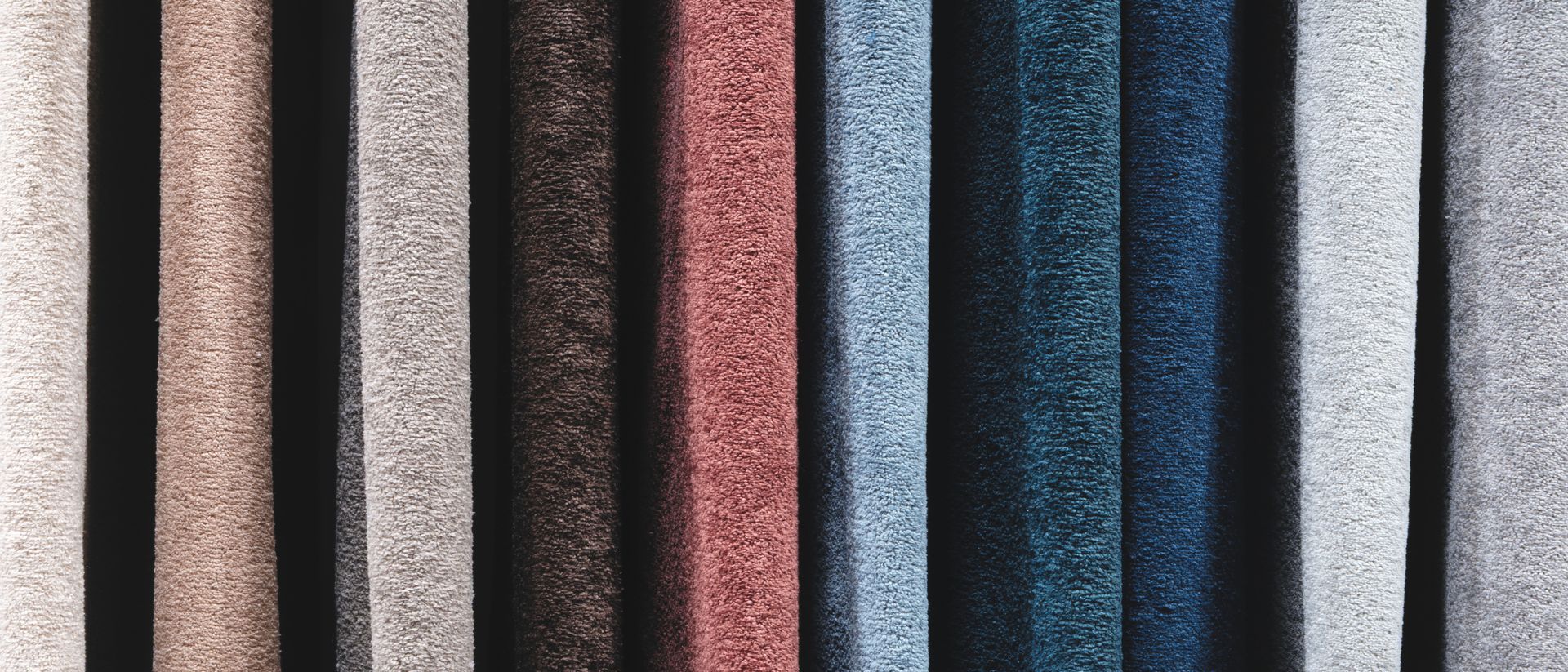
The best carpet color is the one that works with your interior. We recommend taking samples home so you can test it in your lighting with your furniture. Here are a few general rules:
- Mid-tone colors are often the easiest to live with day to day.
- Multi-tonal or patterned carpets can help hide soil, lint, and traffic.
- Very light carpet can brighten a room, but it usually shows more debris or damage.
- Very dark carpet can feel dramatic and rich, but may show lint and dust.
What does carpet pricing look like? Pricing depends on the material, style, square footage, and installation details. Learn more when you speak with our team or visit our pricing page, since exact numbers can vary by product and project.
Visit Get Floored, Our Carpet & Flooring Store in Myrtle Beach
Choosing the right carpet shouldn't feel complicated. At Get Floored, we carry quality options from Southwind, Shaw Floors, MSI Flooring, and other trusted brands.
When you visit our Myrtle Beach showroom, we'll pull samples based on your specific needs, Once you've chosen, our measure tech visits your property, reviews the products one final time, and delivers your estimate within 24 hours.
We serve Myrtle Beach and the Grand Strand with the kind of personalized service that remembers your name the second time you walk through our door.
Stop by our carpet store today or give us a call, and let's find flooring that works for how you really live.